How Hen Health Impacts Food Security
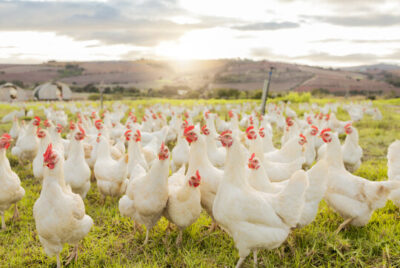
Poultry farming plays a critical role in global food security. Hens provide affordable sources of protein through eggs and meat, which are essential for nutrition in many communities. However, the health of hens directly affects the stability of this food supply. Poor health can lead to reduced production, increased costs, and even food safety risks. Let’s explore how hen health impacts food security.
1. Healthy Hens Ensure Consistent Egg and Meat Supply
When hens are healthy, they lay eggs regularly and grow at an optimal rate for meat production. Illnesses such as Newcastle disease, avian influenza, or bacterial infections can drastically reduce productivity. A sudden disease outbreak can cause:
-
Lower Egg Production: Sick hens often stop laying eggs.
-
High Mortality Rates: Outbreaks can wipe out entire flocks.
-
Market Disruptions: Shortages drive up prices, affecting affordability.
2. Disease Outbreaks Threaten Livelihoods
Small-scale farmers rely heavily on poultry as a source of income. When disease spreads through a flock, farmers lose both current stock and future production potential. This not only impacts the farmer’s income but also limits the availability of poultry products in local markets, increasing food insecurity.
3. Health Issues Affect Food Safety
Unhealthy hens may carry pathogens like Salmonella or E. coli, which can contaminate eggs and meat. If not controlled, this poses a risk to human health. Food-borne illnesses reduce consumer trust and can lead to large-scale recalls, further destabilizing the food supply.
4. Antibiotic Misuse and Resistance
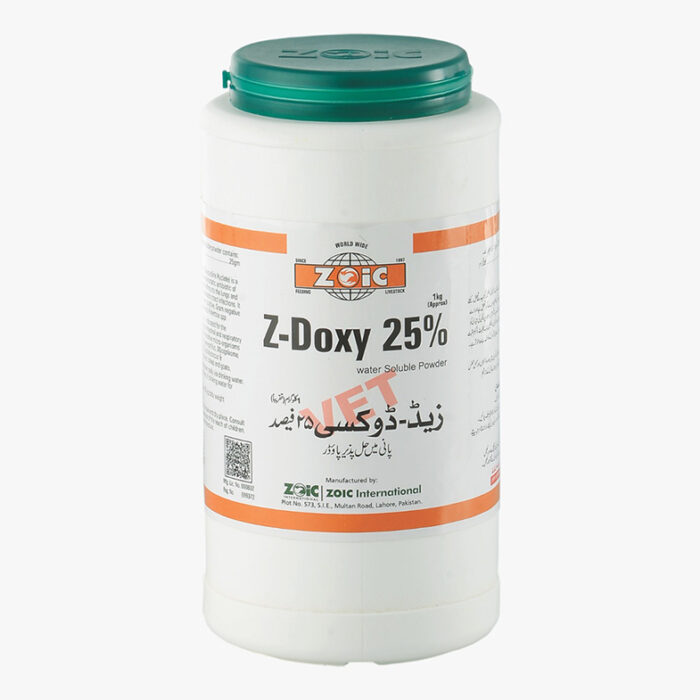
Some farmers use antibiotics excessively to prevent or treat diseases. Over time, this can lead to antimicrobial resistance, which is a major global health challenge. Resistant bacteria can spread through poultry products, making infections in humans harder to treat.
5. The Role of Biosecurity and Vaccination
To maintain a secure food system, farmers must prioritize:
-
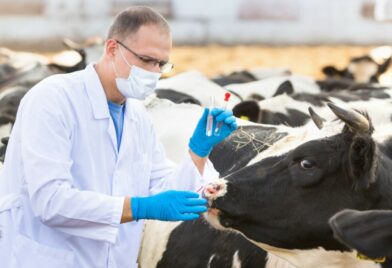
Regular Vaccinations: Protect against common poultry diseases.
-
Biosecurity Measures: Limit flock exposure to pathogens.
-
Clean Water and Balanced Nutrition: Boost immunity and productivity.
Healthy hens mean fewer losses, stable production, and safer food for consumers.
6. Impact on Nutrition and Economy
Eggs and poultry meat are among the most affordable sources of animal protein. When hen health declines, access to these products decreases, especially for low-income families. This leads to nutritional gaps and economic challenges in regions that depend on poultry farming.