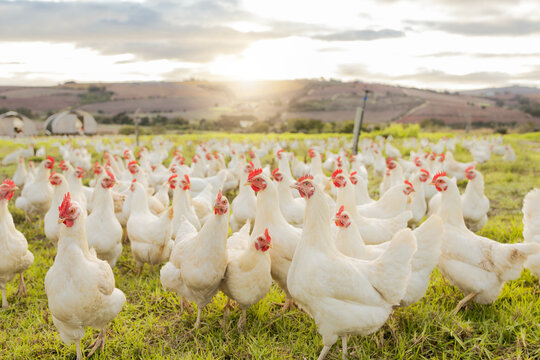
Raising hens can be both profitable and rewarding, but success depends on proper planning and management. Whether you’re starting a small backyard flock or running a large-scale poultry farm, this guide will cover everything you need to know to keep your hens healthy and productive.
1. Choosing the Right Breed
Different breeds of hens serve different purposes. Some are excellent egg layers, while others are better for meat production. Here are common categories:
-
Layer Breeds: Leghorn, Hy-Line, ISA Brown (best for egg production)
-
Meat Breeds: Cornish Cross, Freedom Ranger
-
Dual-Purpose Breeds: Rhode Island Red, Sussex (good for both eggs and meat)
Select a breed based on your business goal—egg production, meat, or both.
2. Setting Up the Housing
Proper housing keeps hens safe and productive. Here’s what to consider:
-
Space Requirement: At least 2-3 square feet per hen indoors, 8-10 square feet outdoors.
-
Ventilation: Good airflow prevents respiratory issues.
-
Temperature: Maintain 18°C–24°C for optimal comfort.
-
Lighting: Provide 14–16 hours of light daily for consistent egg production.
-
Nesting Boxes: One box for every 4–5 hens.
3. Feeding and Nutrition
Balanced nutrition is critical for growth and egg production.
-
Starter Feed: For chicks up to 6 weeks.
-
Grower Feed: From 6–20 weeks.
-
Layer Feed: After 20 weeks for laying hens (high in calcium for strong eggshells).
-
Fresh Water: Always keep clean drinking water available.
-
Supplements: Add grit and oyster shells for digestion and calcium.
4. Health and Disease Management
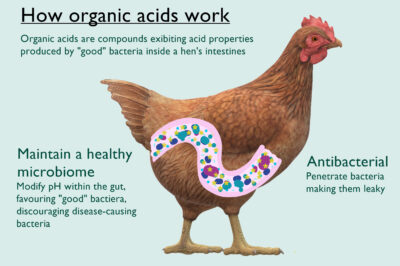
Healthy hens produce more. Key practices include:
-
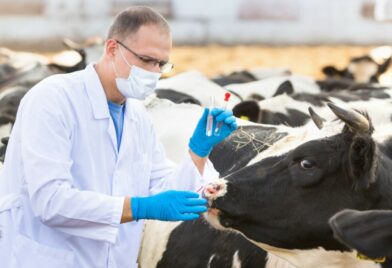
Vaccinations: Protect against common diseases like Newcastle and Marek’s.
-
Biosecurity: Limit visitors and sanitize equipment to prevent infections.
-
Regular Checks: Watch for signs like feather loss, lethargy, or drop in egg production.
-
Parasite Control: Use dust baths and anti-parasite treatments.
5. Egg Collection and Storage
-
Collect eggs 2–3 times a day to keep them clean.
-
Store eggs in a cool, dry place at around 10–12°C.
-
Wash only if necessary and handle gently to avoid cracks.
6. Waste Management
Hen manure can be turned into organic fertilizer, adding value to your farm. Compost it properly to kill pathogens before use.
7. Business and Marketing
If you plan to sell eggs or meat, consider these steps:
-
Market Research: Identify local demand.
-
Branding: Use eco-friendly packaging and highlight organic or free-range benefits.
-
Distribution: Sell directly to consumers, local markets, or restaurants.
8. Common Challenges
-
Sudden drop in egg production (often caused by stress, disease, or poor lighting).
-
Predator attacks (secure the coop with wire mesh).
-
Rising feed costs (reduce waste and explore local feed sources).